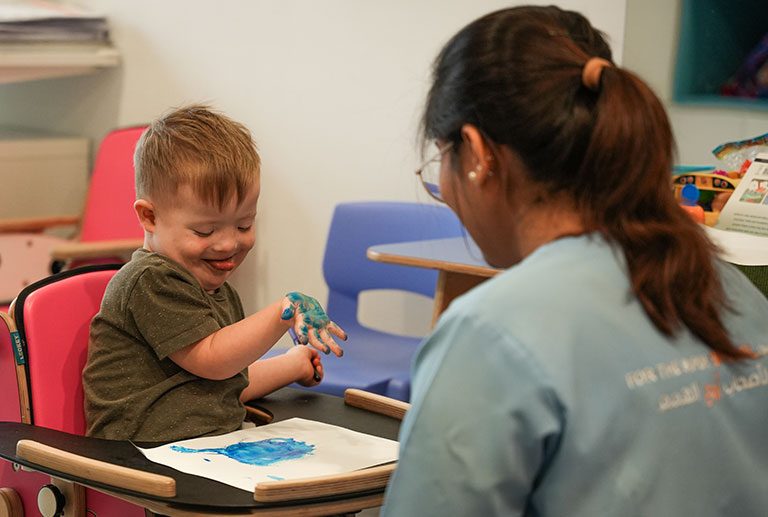
Games are often used by speech therapists to support children’s communication skills. They provide a fun and interactive way for children to practice speaking, listening, and social interaction. Using games allows therapists to work on various language abilities while keeping children engaged.
Find here a list of ways the best speech therapist in Dubai uses games during therapy sessions.
Encouraging turn-taking:
Many games focus on turn-taking, which is a key part of conversation. Activities such as board games or simple card games encourage children to wait for their turn and listen to others. Practicing turn-taking helps children learn patience and how to respond in social settings.
Building vocabulary:
Games that involve naming objects, describing pictures, or guessing based on clues help expand a child’s vocabulary. For example, “I Spy” or category-sorting games encourage the use of descriptive words and associations. These help children recognize and use new words in different situations.
Practicing sentence formation:
Certain games encourage children to form sentences and describe what they see or do. For example, storytelling games or “describe and guess” activities prompt children to organize their thoughts and use full sentences. This practice improves grammar and communication clarity.
Developing listening skills:
Listening is a vital part of communication. Games like “Simon Says” or following multi-step directions help children focus on listening carefully and responding appropriately. These activities also improve attention and memory.
Using technology and apps:
Some speech therapy games use tablets or computers to make learning interactive. These games often include visual and audio prompts that encourage children to practice speech sounds and language skills. Technology-based games can be motivating and provide immediate feedback.
Encouraging problem-solving and critical thinking:
Certain games challenge children to think and solve problems together. These activities promote language related to reasoning, explaining, and negotiating. Speech therapists use these games to extend language use beyond simple words or phrases.
Therapists observe what themes or characters the child enjoys and tailor the games around those. A game that features animals, vehicles, or favorite colors can hold the child’s interest longer. This personal touch supports ongoing progress in speech goals without the child feeling pressured.
Games are a flexible tool in speech therapy sessions. They create a relaxed atmosphere where children feel comfortable practicing new skills. Through guided play, therapists support growth in communication abilities that children use in everyday life.