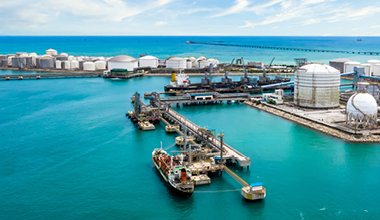
Ports and terminals are essential components of global trade, handling millions of tons of cargo and countless shipments every year. Ensuring the safety and security of these critical infrastructures is paramount, not only for the protection of goods but also for the prevention of potential security threats. Let’s explore the importance of port and terminal safety and the measures in place to safeguard these vital hubs of commerce.
The significance of port and terminal safety:
Ports and terminals serve as the gateway for goods entering and exiting a country. They play a pivotal role in the global supply chain, facilitating the movement of raw materials, manufactured goods, and energy resources. Any disruption or security breach in these areas can have far-reaching consequences, including economic losses, supply chain disruptions, and potential risks to national security.
Key aspects of port and terminal safety:
Security personnel: Trained security personnel are the first line of defense in port and terminal safety. They monitor access points, conduct security checks, and are prepared to respond to security incidents swiftly.
Surveillance systems: Advanced surveillance technology, including CCTV cameras, perimeter sensors, and access control systems, is deployed throughout ports and terminals to monitor activities and detect any unauthorized or suspicious behavior.
Cybersecurity: In today’s digital age, cybersecurity is critical. Ports and terminals rely on computer systems for various operations, and safeguarding these systems from cyber threats is essential to maintain the flow of goods and protect sensitive information.
Emergency response plans: Comprehensive emergency response plans are in place to address various scenarios, including natural disasters, accidents, and security threats. Regular drills and exercises ensure that personnel are well-prepared for emergencies.
Cargo screening: Cargo screening technologies, such as X-ray scanners and radiation detectors, are employed to inspect containers and shipments for illicit or dangerous materials.
Customs and border protection: Collaboration with customs and border protection agencies is crucial to prevent illegal activities, such as smuggling and human trafficking, at ports and terminals.
International regulations:
To maintain a consistent level of safety and security in international trade, several international organizations and agreements provide guidelines and regulations for port and terminal safety. Organizations like the International Maritime Organization (IMO) and the World Customs Organization (WCO) establish standards and best practices that ports and terminals worldwide are encouraged to adopt.